
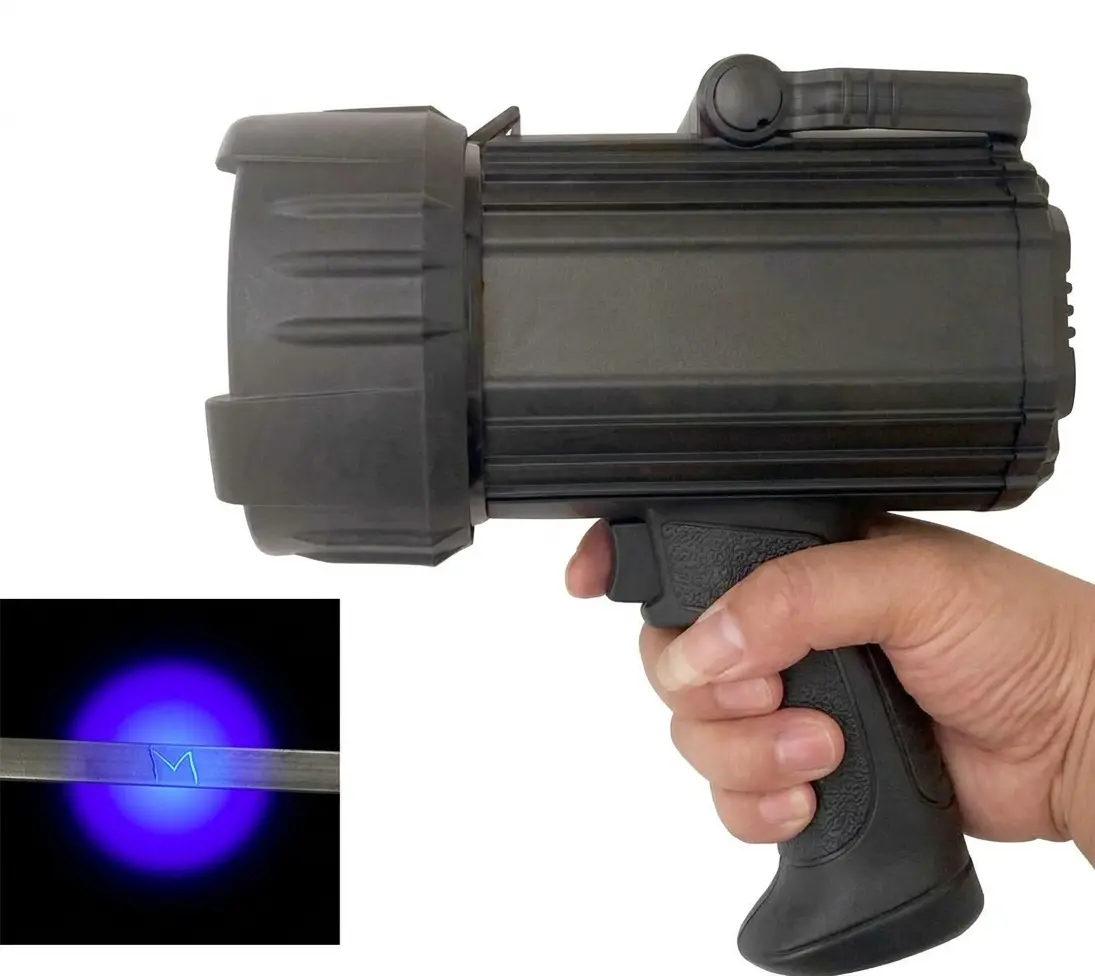
Ultraviolet (UV) light is a type of electromagnetic radiation that lies just beyond the violet end of the visible light spectrum. It has shorter wavelengths and higher energy than visible light, but longer wavelengths than X-rays.
Key Points:
-
Wavelength range: About 10 to 400 nanometers (nm)
-
Invisible to humans: Our eyes cannot see UV light
-
Source: The main natural source is the Sun
Types of Ultraviolet Light:
-
UVA (315–400 nm)
-
Least harmful
-
Causes skin aging and tanning
-
-
UVB (280–315 nm)
-
More energetic
-
Causes sunburn and can damage DNA
-
-
UVC (100–280 nm)
-
Most dangerous
-
Usually absorbed by Earth’s atmosphere
-
Uses:
-
Sterilization (kills bacteria and viruses)
-
Medical treatments (like skin conditions)
-
Forensic analysis (detecting substances)
-
Tanning lamps




Reviews
There are no reviews yet.